
Protein is essential for human life, serving structural, functional, and regulatory roles throughout the body. Amino acids—the building blocks of protein—are synthesized into countless proteins that comprise tissues, enzymes, hormones, and immune components. Among the 20 amino acids used in human protein synthesis, 9 are essential, meaning they must be obtained from dietary sources.
Essential and Non-Essential Amino Acids
Essential amino acids—histidine, isoleucine, leucine, lysine, methionine, phenylalanine, threonine, tryptophan, and valine—cannot be synthesized by the body and must come from food. Non-essential amino acids can be synthesized from other amino acids, though dietary intake still contributes to overall amino acid availability. Complete proteins contain all 9 essential amino acids in adequate proportions; incomplete proteins lack adequate quantities of one or more essential amino acids.
Animal Protein Sources
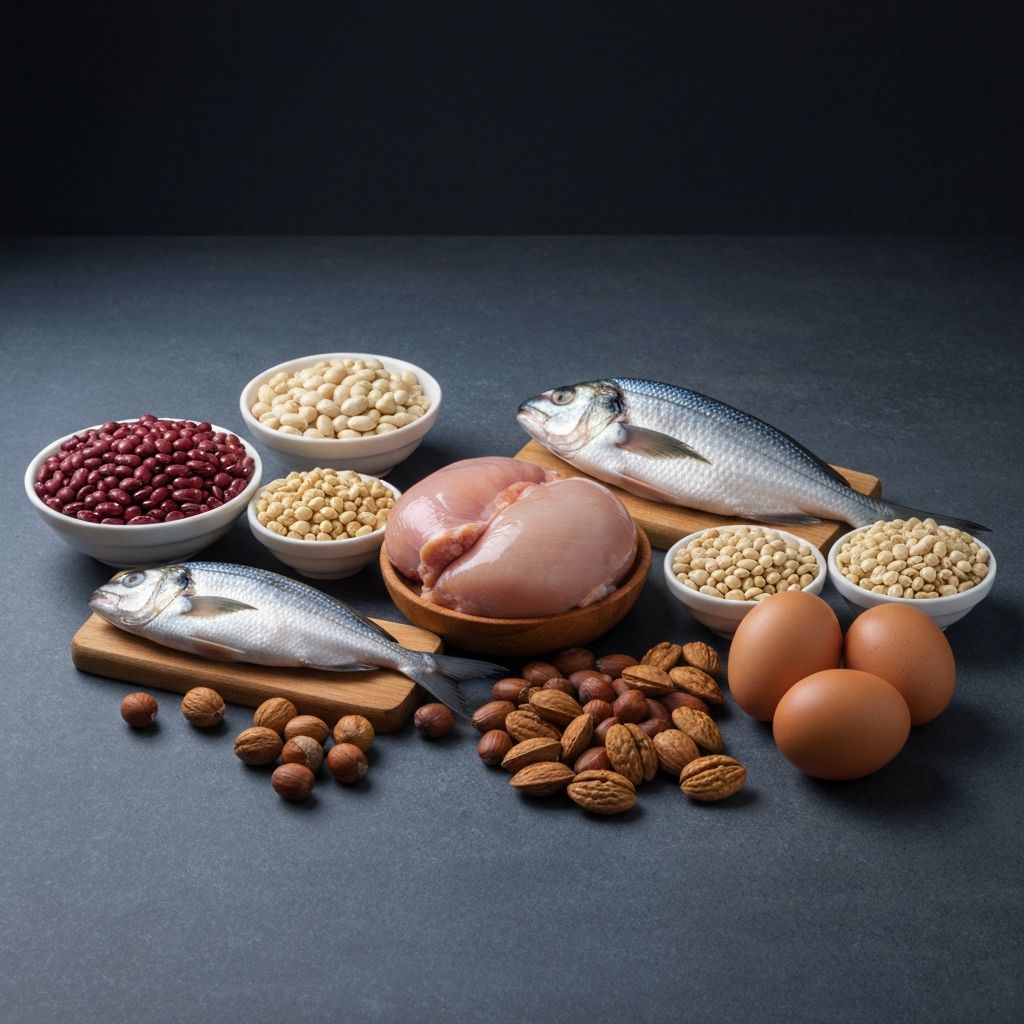
Animal products—meat, poultry, fish, eggs, dairy, and legumes—provide complete proteins containing all essential amino acids. Fish is particularly valued for providing omega-3 fatty acids alongside protein. Poultry offers lean protein with less saturated fat than red meat. Eggs are nutrient-dense, providing not only complete protein but also choline, lutein, and other bioactive compounds. Dairy provides protein alongside calcium and other minerals.
Plant-Based Protein Sources
Plant proteins (legumes, nuts, seeds, whole grains) are typically incomplete individually but can be combined to provide complete amino acid profiles. Soy products (tofu, tempeh, edamame) are complete plant proteins. Legume and grain combinations—such as rice and beans—provide complementary amino acids. Nuts and seeds offer protein alongside healthy fats and micronutrients. Plant proteins often provide additional benefits including fiber, polyphenols, and phytonutrients.
Amino Acid Requirements
Daily protein requirements depend on multiple factors: body weight, activity level, age, muscle mass, and health status. General recommendations suggest 0.8 grams per kilogram of body weight for sedentary adults; active individuals often require higher intake to support muscle maintenance and adaptation. Athletes and older adults may benefit from increased protein intake distributed across multiple meals for optimal muscle protein synthesis.
Protein Quality and Digestibility
Protein quality depends on amino acid composition and digestibility. Animal proteins typically have higher digestibility than plant proteins. Protein digestibility-corrected amino acid score (PDCAAS) and digestible indispensable amino acid score (DIAAS) are measures used to evaluate protein quality. Most people consuming diverse protein sources over the course of a day obtain adequate amino acids for physiological needs.
Bioavailability and Preparation
Preparation methods influence protein bioavailability. Cooking generally improves protein digestibility by denaturing protein structures and inactivating protease inhibitors present in some plant foods. Combining different protein sources and consuming proteins with carbohydrates can enhance amino acid utilization and muscle protein synthesis.
Information Context
This article provides educational information about protein and amino acids. It is not personalized nutritional or medical advice. Individual protein requirements vary based on health status and activity level. For specific guidance, consult qualified healthcare practitioners.